×
×
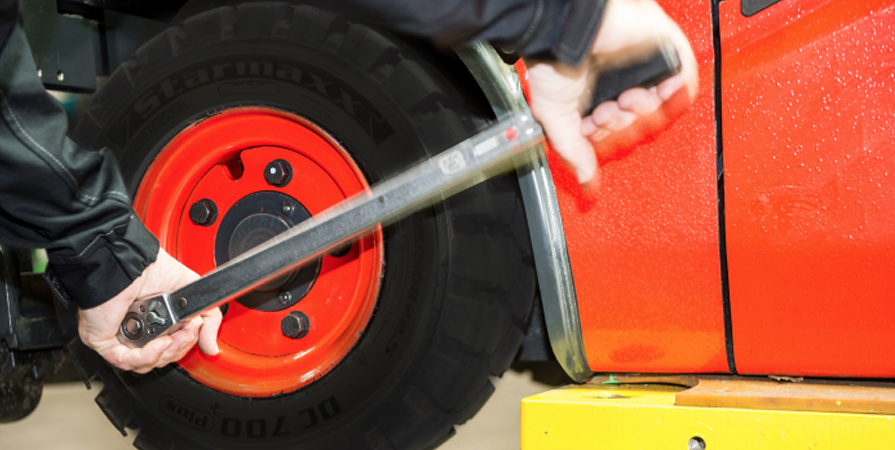
Whatever the tire application is, both mounting and dismounting operations are very dangerous processes. These operations must be performed by authorized service points with appropriate tools and machinery used by experienced technicians.
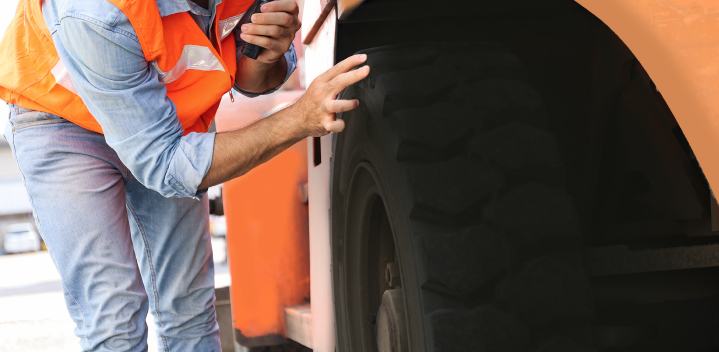
Tire impact damage or road damage includes tears, punctures, cuts and other physical injuries that damage the carcass of the tire when it directly contacts with an object. Bulges or bubbles can appear on the sidewall of your tire when that kind of damage happens. This means that the cords within the tire structure are damaged and air may be leaking through the carcass or the body of the tire.
These kinds of damages generally happen when the tire directly passes over a sharp object or driving on a tough road for an excessive amount of time. Reducing the speed on bad conditioned roads has a considerable effect on protecting the tires from impact damages.
If you notice impact damage on your tire, you should change the tire with the spare one immediately and visit the nearest tire service.
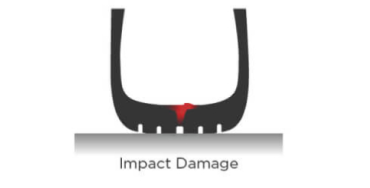
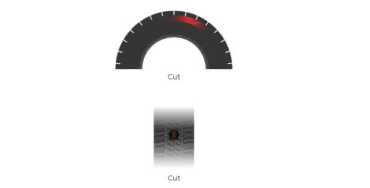
Driving your vehicle over sharp objects (glass, stone, nail etc.) or on rough surfaces
may lead to cuts on your tire. To avoid such problems, it is highly recommended not
to drive your vehicle in improper road conditions.
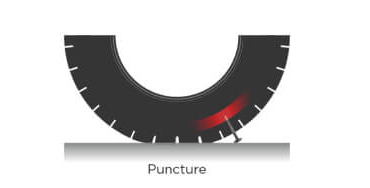
Sharp objects can cause deep damages and punctures on the tire. In that case the
air in the tire air swiftly and the tire loses its integrity.
Probable causes for chafer separation are improper bead seating, improper rim size, overload condition, under inflation, impact or possible manufacturing conditions.
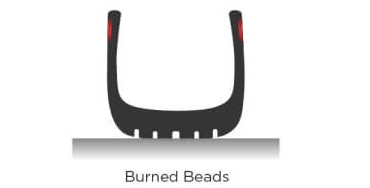
Generally emanate from excessive exposure to heat caused by frequent hard
braking; improperly adjusted brakes; faulty braking system or insufficient air
flow around the brakes.
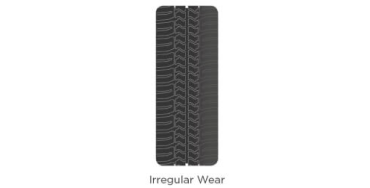
It occurs as a result of a loss in inflation pressure. As the condition progresses,
the diagnosis of the root cause becomes difficult – if not impossible.
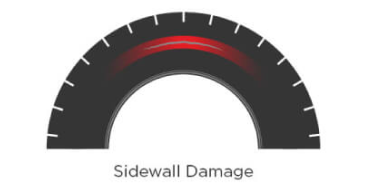
Stems from under inflation, overloading or excessive speed as these conditions
can build the heat up. Excessive heat can weaken or damage cords or rubber
compounds which may in turn cause separation of the plies.
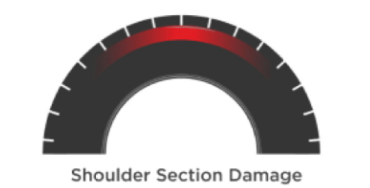
Tire impact damage or road damage includes tears, punctures, cuts and other physical injuries that damage the carcass of the tire when it directly contacts with an object. Bulges or bubbles can appear on the sidewall of your tire when that kind of damage happens. This means that the cords within the tire structure are damaged and air may be leaking through the carcass or the body of the tire.
These kinds of damages generally happen when the tire directly passes over a sharp object or driving on a tough road for an excessive amount of time. Reducing the speed on bad conditioned roads has a considerable effect on protecting the tires from impact damages.
If you notice impact damage on your tire, you should change the tire with the spare one immediately and visit the nearest tire service.
Driving your vehicle over sharp objects (glass, stone, nail etc.) or on rough surfaces
may lead to cuts on your tire. To avoid such problems, it is highly recommended not
to drive your vehicle in improper road conditions.
Sharp objects can cause deep damages and punctures on the tire. In that case the
air in the tire air swiftly and the tire loses its integrity.
Probable causes for chafer separation are improper bead seating, improper rim size, overload condition, under inflation, impact or possible manufacturing conditions.
Generally emanate from excessive exposure to heat caused by frequent hard
braking; improperly adjusted brakes; faulty braking system or insufficient air
flow around the brakes.
It occurs as a result of a loss in inflation pressure. As the condition progresses,
the diagnosis of the root cause becomes difficult – if not impossible.
Stems from under inflation, overloading or excessive speed as these conditions
can build the heat up. Excessive heat can weaken or damage cords or rubber
compounds which may in turn cause separation of the plies.